
The short answer: Financially, importing a refurbished iPhone 16 Pro and paying the PTA tax yourself is highly inefficient and generally not worth it. Because the FBR calculates the tax based on the original launch valuation in US Dollars, the fixed levy negates the initial savings of buying refurbished. You are better off buying an already-approved device locally or using a secondary phone for cellular connectivity.
Spotting a heavily discounted iPhone 16 Pro on an overseas refurbished marketplace feels like a major win. By late 2026, a refurbished unit in the US or UAE costs significantly less than a brand-new model, prompting many Pakistani consumers to consider importing one through a friend or relative. The initial math looks promising until the device lands in Pakistan and connects to a local cellular network.
Within 60 days, the Device Identification, Registration and Blocking System (DIRBS) requires you to pay the PTA tax to keep the phone’s SIM slots active. This mandatory registration transforms a budget-friendly overseas purchase into a financial burden that often exceeds the cost of just buying a pre-approved phone in Karachi or Lahore.
About the Author: Written by The Verge PK’s device analysis team, tracking handset availability, local network support, and telecom regulation across Pakistan.
Transparency Note: Pricing and tax figures in this analysis are based on late 2026 FBR customs values and local market averages from vendors in Islamabad and Karachi.
The case for: Chasing the overseas discount
Consumers attempt the self-import route because the upfront hardware savings are undeniable. Platforms like BackMarket, Amazon Renewed, and RefurbMe offer the iPhone 16 Pro at steep discounts compared to Apple’s retail pricing. By November 2026, you can secure a refurbished base model for roughly $750, which translates to approximately PKR 207,000 depending on the daily exchange rate.
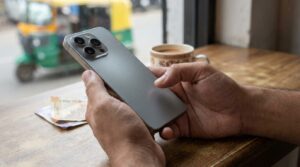
This $750 price tag creates the illusion of affordability. A buyer compares that PKR 207,000 figure to the exorbitant prices of boxed, PTA-approved iPhones in local Pakistani shops and assumes they have found a loophole. Buying a used device abroad allows you to bypass the premium that local retailers charge for importing and stocking inventory. You get Apple’s flagship hardware, complete with advanced camera systems and a titanium chassis, at a mid-range Android price point.
The strategy relies entirely on the assumption that a cheaper phone will incur a cheaper tax. Buyers expect the government to assess the phone’s value based on the actual receipt from the refurbished vendor.
The case against: How FBR valuation erases the discount
The Federal Board of Revenue (FBR) does not care what you paid for the phone. According to 2026 tax guidelines, the FBR assigns a fixed customs value to the exact model when it is new. Because the iPhone 16 series remains in the highest possible luxury tax slab, the FBR tax burden on a refurbished unit is identical to the tax on a sealed, brand-new device.
This rigid valuation structure erases the overseas discount entirely. When you register the device on a standard citizen CNIC, current tax brackets dictate a fee of roughly PKR 198,317. If you register it on a passport as an international traveler within 60 days of arrival, the fee drops slightly to PKR 168,789. The Directorate General of Customs Valuation refused to introduce a sliding scale for used devices in its April 2026 Valuation Ruling No. 2076, meaning there are no discounts for refurbished hardware.
The ratio of tax to device value makes the self-import strategy economically unviable. Because FBR valuation ignores the discounted purchase price, a PKR 198,317 tax on a PKR 207,000 phone means the tax constitutes nearly 95% of the hardware’s cost. You are essentially buying the phone twice.
Alternatives worth considering: Local market and the two-phone strategy
Rather than importing and taxing a device yourself, the local Pakistani market offers more practical routes. Vendors in major cities have already absorbed the logistical costs of bulk imports and tax registrations, creating a secondary market that operates more efficiently than individual DIRBS registration.
Buying an already-approved used iPhone 16 Pro locally costs around PKR 330,000. Local market pricing and registration costs show that this route is roughly PKR 75,000 cheaper than importing a $750 refurbished unit and paying the CNIC tax yourself.
Alternatively, the “two-phone strategy” remains the most popular workaround for high-end Apple devices. Consumers buy a Non-PTA iPhone 16 Pro locally for about PKR 257,500 and pair it with a cheap, PTA-approved Android device. The Android phone holds the SIM card, handles cellular calls, and acts as a Wi-Fi hotspot for the iPhone. If you rely on this setup for daily connectivity, you will want to Activate VoLTE on Jazz or your preferred network on the secondary device to ensure HD calling works reliably while tethering.
| Strategy | Hardware Cost | Tax / Approval Cost | Total Estimated Cost |
|---|---|---|---|
| Importing Refurbished (CNIC) | ~PKR 207,000 | ~PKR 198,317 | ~PKR 405,317 |
| Buying Local PTA-Approved | ~PKR 330,000 | Included | ~PKR 330,000 |
| Buying Local Non-PTA | ~PKR 257,500 | None | ~PKR 257,500 |
The verdict, by type of reader
For short-term visitors and overseas Pakistanis, importing a refurbished iPhone 16 Pro makes sense only if you use the government’s temporary registration portal. This system allows you to connect to local networks for a limited period without paying the permanent levy, keeping your upfront costs tied solely to the hardware.
For permanent residents, paying the PTA tax on an imported refurbished unit is a poor financial decision. The FBR’s refusal to depreciate the customs value of used flagship phones means your total out-of-pocket expense will easily surpass PKR 405,000.
- Initial hardware is cheaper abroad
- FBR taxes it as brand new
- Total cost exceeds local PTA-approved market rates
- No warranty support locally
If you want cellular access on the device itself, the local secondary market offers PTA-approved units at a much lower combined cost than the self-import route. If you are comfortable carrying two devices, sticking to a Non-PTA unit remains the sharpest way to access Apple’s 2026 hardware without funding a luxury import tax.