AI Governance Implementation in 2026: Mastering Lifecycle Controls and Continuous Assurance

AI Governance Implementation in 2026: Mastering Lifecycle Controls and Continuous Assurance

Explore the critical components of an effective AI governance framework 2026, focusing on lifecycle controls, continuous assurance, and compliance with evolving regulations like EO 14409 for multi-institution AI research.

How to Build an Automated Data Analysis Pipeline for Physics Research: A Step-by-Step Guide

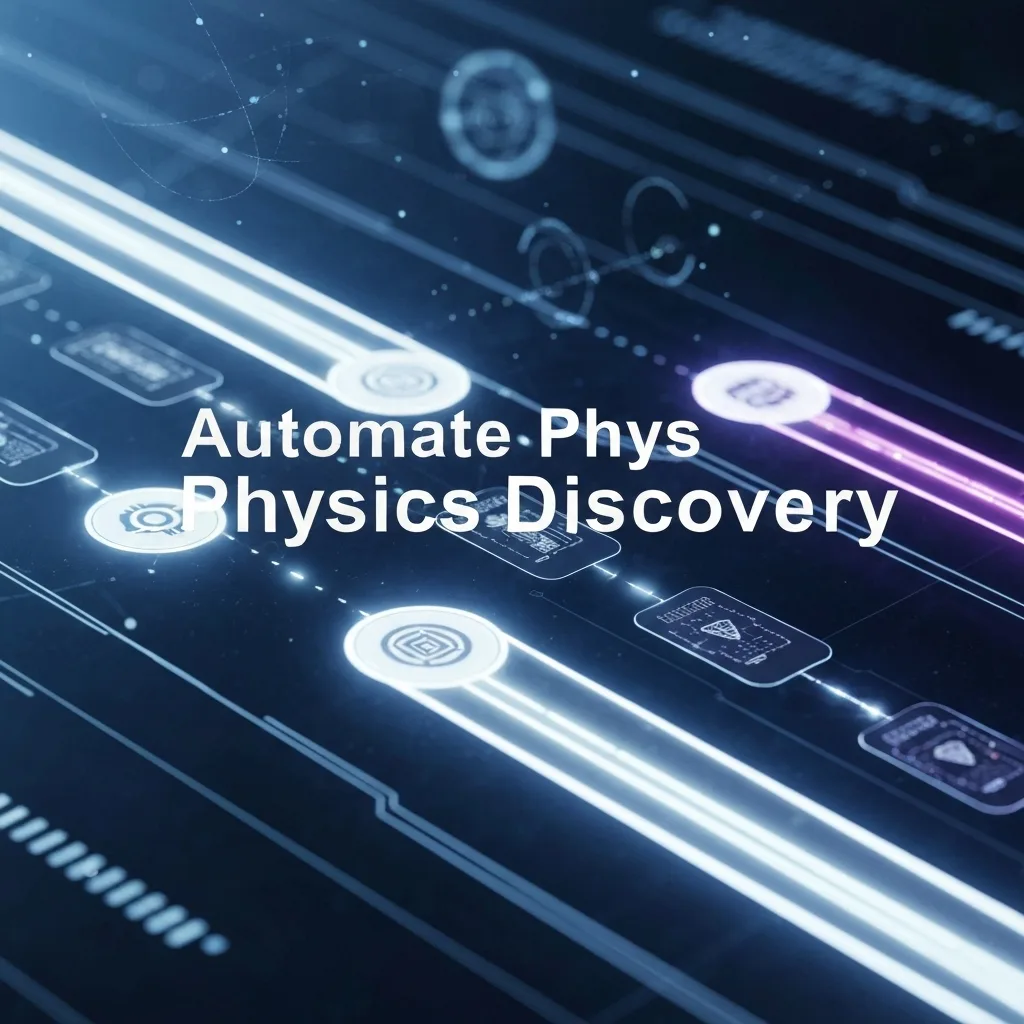
A futuristic digital pipeline with glowing data streams and interconnected nodes, representing an automated data analysis system for physics research. The image features the headline "Automate Physics Discovery" and illustrates the core concepts from the article "How to Build an Automated Data Analysis Pipeline for Physics Research: A Step-by-Step Guide."

Modern physics is a science of immense scale, generating petabytes of data from sources like the Large Hadron Collider, astronomical surveys, and quantum computing experiments. Manually processing this deluge is no longer feasible. The solution is a robust, automated data analysis pipeline—a systematic, repeatable workflow that transforms raw experimental data into scientific insight with minimal … Read more

AI in High-Energy Physics vs. Computational Astrophysics: A Comparative Analysis

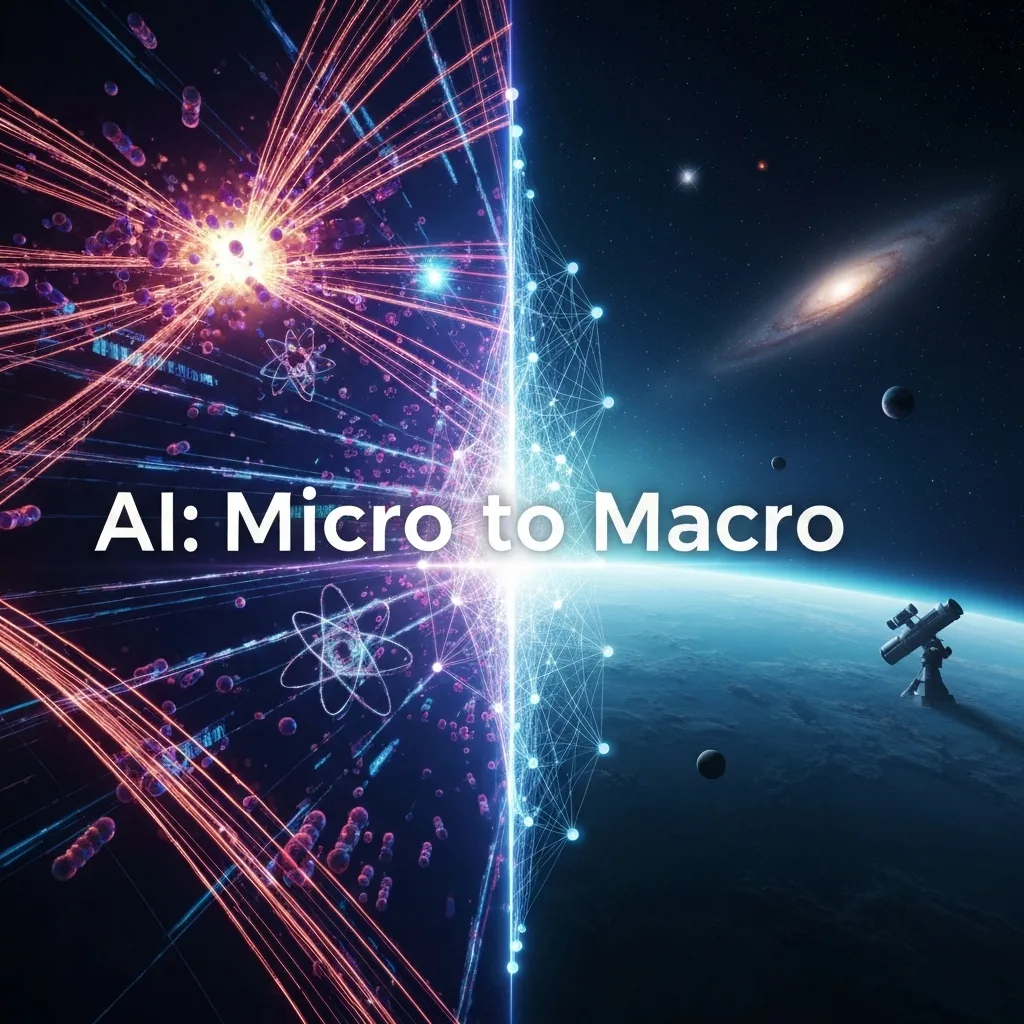
A digital art image comparing AI applications in high-energy physics and computational astrophysics. One side shows particle collision trails and data streams, the other shows a deep-space nebula and galaxies, with a glowing AI neural network connecting them. The headline "AI: Micro to Macro" is overlaid. This visualizes the article "AI in High-Energy Physics vs. Computational Astrophysics: A Comparative Analysis."

Artificial intelligence is revolutionizing science, and nowhere is its impact more profound than in the quest to understand the universe, from the smallest particles to the largest cosmic structures. Two fields at the forefront of this transformation are high-energy physics and computational astrophysics. While both use AI to decipher the cosmos, how they apply it—and … Read more

What Are Self-Driving Labs? The Future of Automated Scientific Discovery

A futuristic self-driving lab featuring a robotic arm manipulating a scientific sample under a glowing holographic AI interface, illustrating the concept of automated scientific discovery.

The concept of a self-driving laboratory sounds like science fiction: autonomous robots and intelligent algorithms working 24/7 to unlock the next great scientific breakthrough. While the reality is more nuanced, these facilities represent a monumental shift in how research is conducted. Yet, the term is often misunderstood, confused with simple automation or exaggerated in capability. … Read more