Artificial Intelligence is no longer a futuristic concept; it’s a transformative force actively reshaping industries. Yet, for every AI success story, countless projects stall, fail to deliver value, or never even get off the ground. Many organizations mistakenly believe the primary barrier to AI adoption is the complexity of the technology itself. The reality is far different. The most significant hurdles are not technological but organizational, strategic, and data-related. As an AI Automation Engineer, understanding these challenges is the first step to conquering them. This guide moves beyond simply listing the problems. We will provide a highly actionable, solution-oriented framework designed to tackle the 7 major barriers to AI adoption head-on. We will equip you with practical, step-by-step strategies to navigate the complexities of data governance, organizational change, and ROI measurement, empowering you to lead successful AI integration from the ground up.
1. Data & Governance Challenges
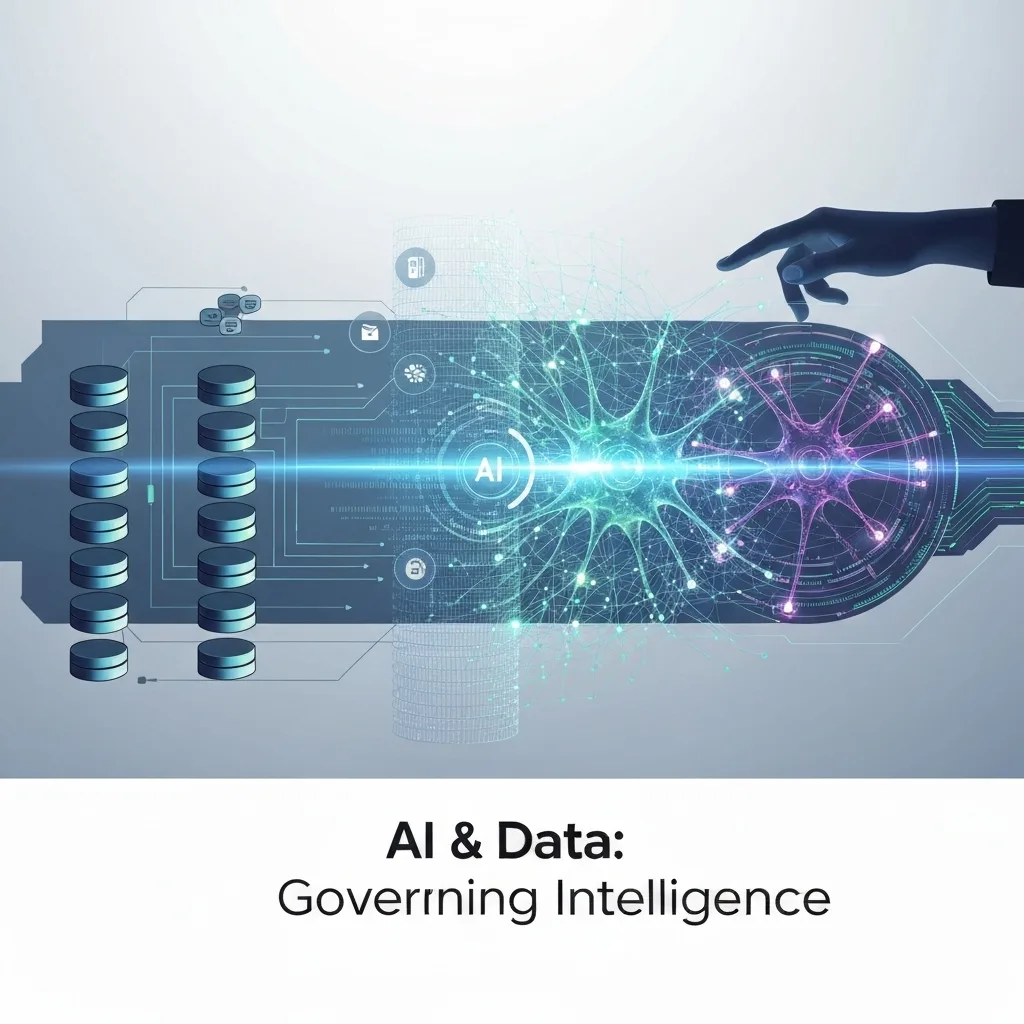
Data is the lifeblood of AI, but it’s also one of the most significant hurdles to successful implementation. Many organizations mistakenly believe the AI models themselves are the challenge, when in reality, the primary barrier lies in the data used to train and sustain them. As a senior analyst from a leading tech research firm notes, “Organizations are often so focused on the algorithm that they forget the algorithm is merely a reflection of its data. Garbage in, gospel out is the new reality.” As an AI Automation Engineer, your first task is to address the underlying data infrastructure and strategy.
| Challenge Area |
Core Problem |
Actionable Strategy |
| Data Quality & Bias |
Poor data quality and inherent biases lead to inaccurate models, perpetuating risks and flawed outcomes. |
- Establish clear data quality metrics (accuracy, completeness).
- Implement automated data cleansing pipelines.
- Actively audit datasets for bias and use mitigation techniques like oversampling or synthetic data.
|
| Data Privacy & Security |
Handling sensitive information without robust security measures risks regulatory fines and a complete loss of user trust. |
- Adopt privacy-preserving techniques like anonymization.
- Explore federated learning for sensitive, decentralized data.
- Enforce strict role-based access control (RBAC).
|
| Data Management & Strategy |
A lack of a cohesive data governance plan means organizations collect the wrong data and fail to extract its value. |
- Develop a formal data governance framework defining ownership and policies.
- Create a centralized data catalog to inventory all data assets.
|
2. Talent & Organizational Hurdles
The most sophisticated AI technology is useless without the right people and processes to support it. As an AI lead at a major tech firm recently stated, “We can buy the best technology in the world, but we can’t buy a culture of innovation. That has to be built, and it’s the hardest part of the AI journey.” Organizational inertia and a widening skills gap are often more difficult to overcome than any technical challenge.
| Challenge Area |
Core Problem |
Actionable Strategy |
| AI Skills Gap |
The demand for AI talent significantly outpaces supply, preventing organizations from scaling their initiatives. |
- Invest in upskilling current technical teams and reskilling business roles.
- Provide broad AI literacy training across the organization.
- Democratize AI with low-code/no-code platforms.
|
| Organizational Change |
Natural resistance to change and employee fear of job displacement can create significant friction and derail projects. |
- Communicate the “why” behind AI, framing it as augmentation, not replacement.
- Identify and empower internal AI champions to advocate for change.
- Start with small, low-risk pilot projects to showcase wins.
|
| Leadership & Culture |
Without strong executive sponsorship and a culture that embraces experimentation, AI initiatives lack resources and authority. |
- Secure a dedicated executive sponsor for every major AI project.
- Promote a “fail fast” culture where teams can test ideas and learn from failure.
|
3. Strategy, ROI & Integration
AI is not a magic wand; it’s a business tool that requires a clear strategy and a practical integration plan to deliver value.
| Challenge Area |
Core Problem |
Actionable Strategy |
| AI Strategy & Business Case |
Adopting AI without a clear, problem-focused goal leads to projects that fail to deliver value or are abandoned. |
- Start with a specific, high-value business problem.
- Build a data-driven business case that quantifies the expected impact.
- Ensure the AI strategy aligns with overarching business goals.
|
| System Integration |
New AI models are useless if they cannot communicate with existing legacy systems and IT infrastructure. |
- Design AI models as microservices with an API-first approach.
- Leverage cloud-based AI platforms to simplify integration.
|
| Measuring ROI |
Difficulty in quantifying the value of AI benefits can jeopardize project funding and long-term executive support. |
- Define both technical and business KPIs before the project begins.
- Use controlled A/B testing to isolate and measure the direct impact of AI.
|
4. Ethical & Trust Concerns
Technical and strategic hurdles are not the only barriers. If users don’t trust your AI, they won’t use it. Building that trust requires a commitment to ethical design and radical transparency.
| Challenge Area |
Core Problem |
Actionable Strategy |
| Ethical Framework |
Without clear guidelines, teams can inadvertently build unfair, discriminatory, or harmful AI systems. |
- Form a cross-functional ethics committee to develop and enforce policies.
- Codify principles of fairness, accountability, and transparency.
|
| Trust & Transparency |
“Black box” models that provide no explanation for their decisions erode user trust and prevent adoption. |
- Implement Explainable AI (XAI) techniques like SHAP or LIME.
- Provide confidence scores with every AI prediction or recommendation.
|
| Regulatory Compliance |
The rapidly evolving AI legal landscape (e.g., EU AI Act) creates significant compliance risks and potential for severe penalties. |
- Maintain a detailed data and model registry for auditing.
- Proactively design systems to be adaptable to new legal requirements.
|
Frequently Asked Questions
What are the 7 barriers to AI adoption?
The 7 key barriers to AI adoption are:
1. Data & Governance Challenges: Issues with data quality, privacy, and management.
2. Talent & Organizational Hurdles: The AI skills gap and resistance to change.
3. Strategy, ROI & Integration: Lack of a clear business case and difficulties with legacy systems.
4. Ethical & Trust Concerns: Black-box models and ethical risks.
5. High Costs of Implementation: Significant upfront investment in technology and talent.
6. Technical Limitations of AI: Understanding that AI is not a magic bullet and has its own constraints.
7. Security and Vulnerability: Protecting AI systems from new types of cyber threats.
How do you overcome organizational resistance to AI?
You can overcome organizational resistance by implementing a clear AI change management strategy. This includes communicating the benefits of AI transparently to employees, creating a group of “AI Champions” to advocate for the technology, and starting with small, successful pilot projects to build momentum and prove value.
How do you measure the ROI of an AI project?
Measuring AI ROI involves defining clear Key Performance Indicators (KPIs) before the project begins. These should include both technical metrics (like model accuracy) and business metrics (like cost reduction or revenue increase). Using controlled methods like A/B testing can help isolate and quantify the direct financial impact of the AI system.